
Words in the Wilderness
Reading and writing in community.

Human beings are social animals by nature and even the most introverted among us need conversation and connection. Introverts don’t dislike people—we just have low tolerance for superficial conversations and relationships that drain our energy. We crave depth and meaning, and while we love silence and alone time, it’s not something we want all the time.
As someone who loves solitude, this past month has, in contrast, been all about community. Seeking it, creating it, and basking in it.
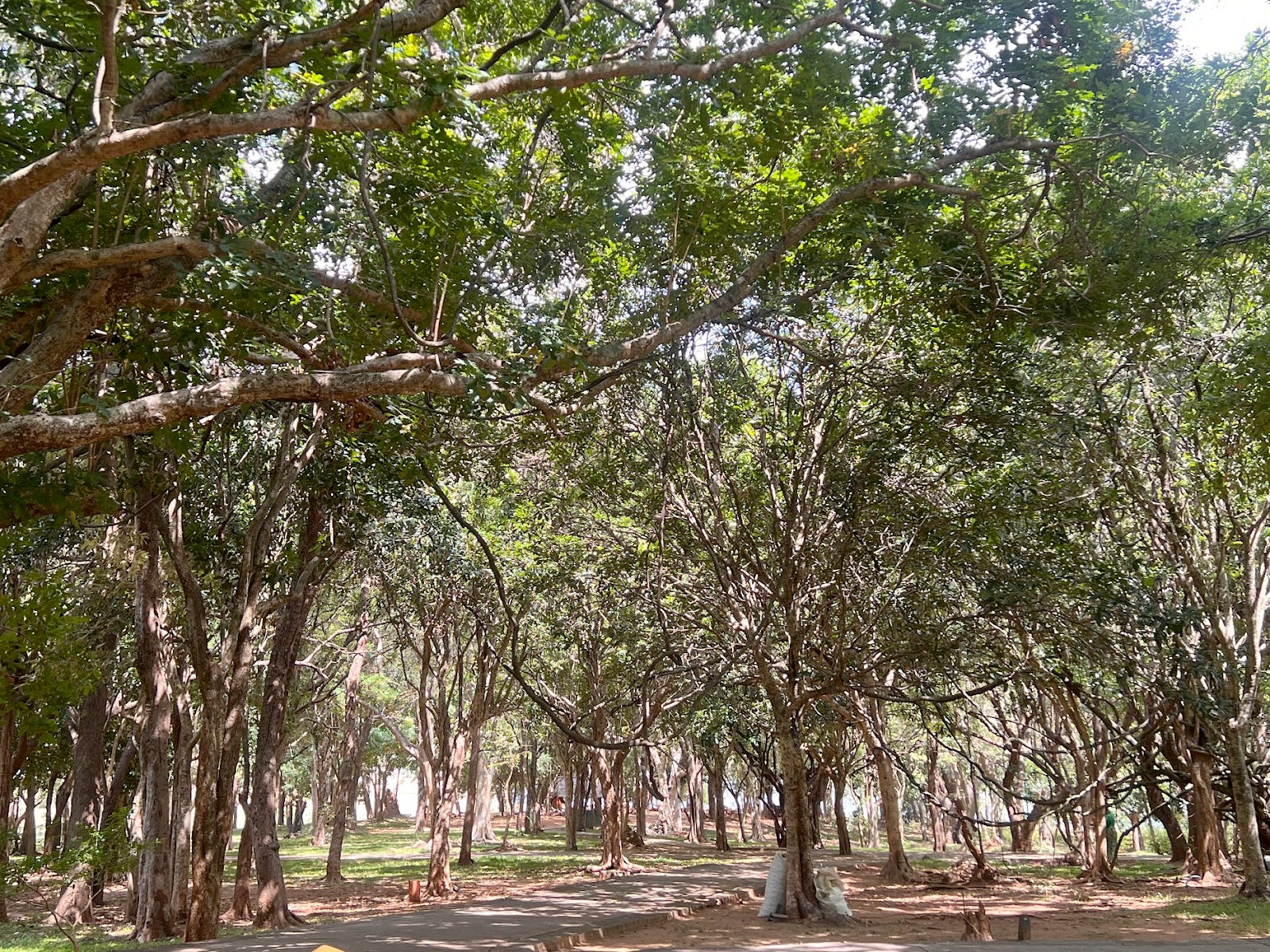
It all began with a passion project—curating a writing retreat for human rights defenders and activists who rarely find the time to pause, rest, and reflect. Having been a part of several online writing workshops and communities, I had personally witnessed the transformative power of personal writing. It helps us process emotions and experiences, reflect on our journeys, clarify ideas, and document memories. Further, over the past year, in conversations with activists, the need for such a space was repeatedly emphasized. In a world—and a region—experiencing poly-crisis, community, rest, and reflection seem like the only ways to practice care for ourselves and others, while also fostering hope and energy for the long road ahead.
After months of planning, the writing retreat for activists came to life earlier this month. Twenty-five participants from twenty different countries came together to write—about their lives, their loves, and their fights. We got to know each other through our writing, and not just the usual ways of the world. We held space for each other as deep emotions and painful memories surfaced. We found strength in vulnerability and commonality in our differences. We embraced words, but also silence. Joy and sorrow. Resistance and surrender.
The experience moved me in more ways than one. To let go of our social baggage and co-create inclusive spaces where everyone feels seen, heard, and understood was special. Where we don’t just speak, but also listen. Where differences in language, geography, gender, sexuality, religion, and culture are not barriers, but opportunities to learn more about each other—and about the world.
Over the course of a week, most of us felt a tangible shift in ourselves and in those around us. It was life-affirming, inspiring, and healing to co-create and share this space with all those who were with us in person and in spirit.
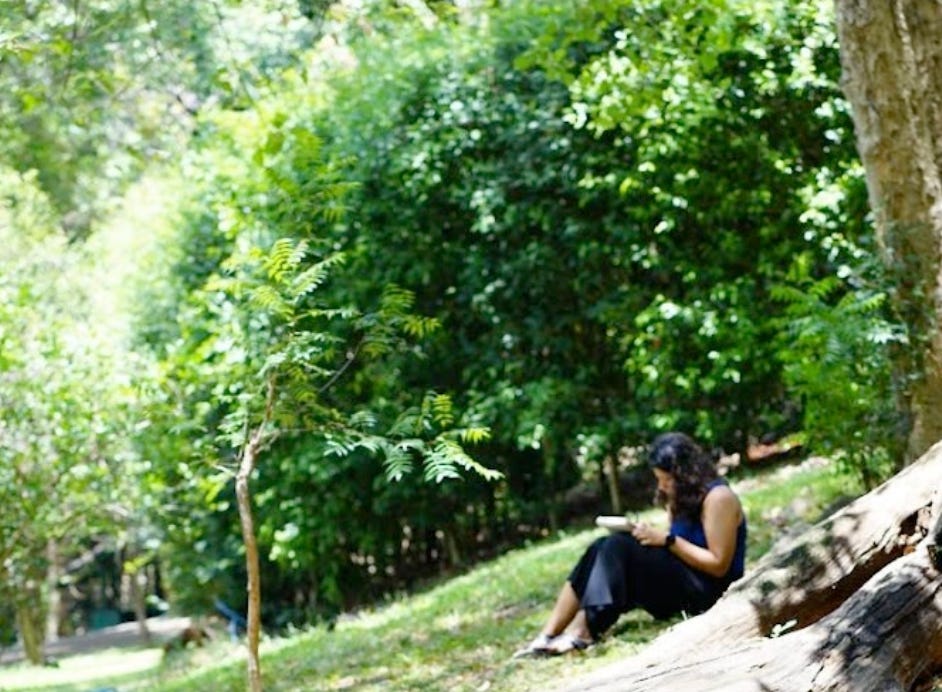
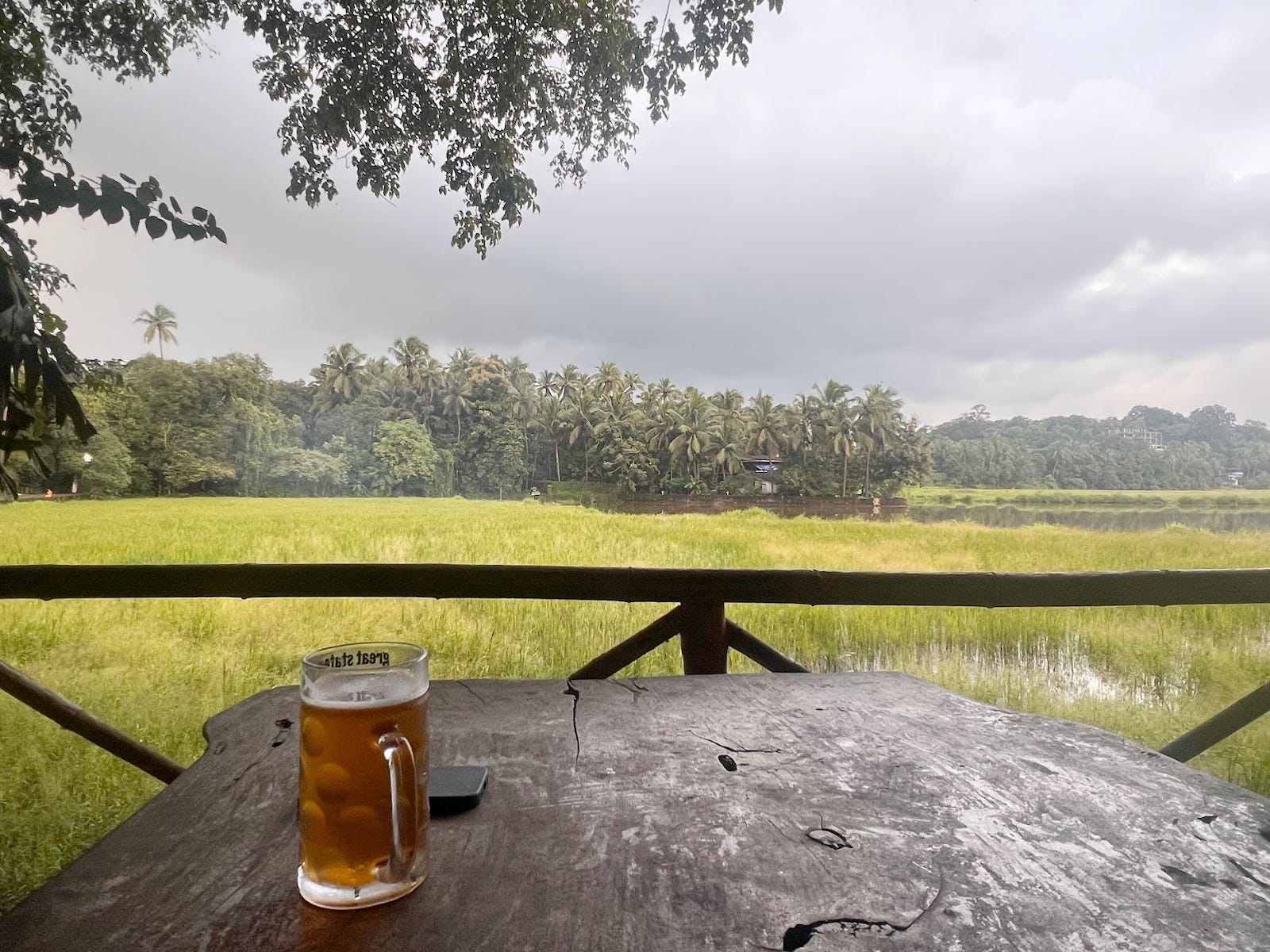
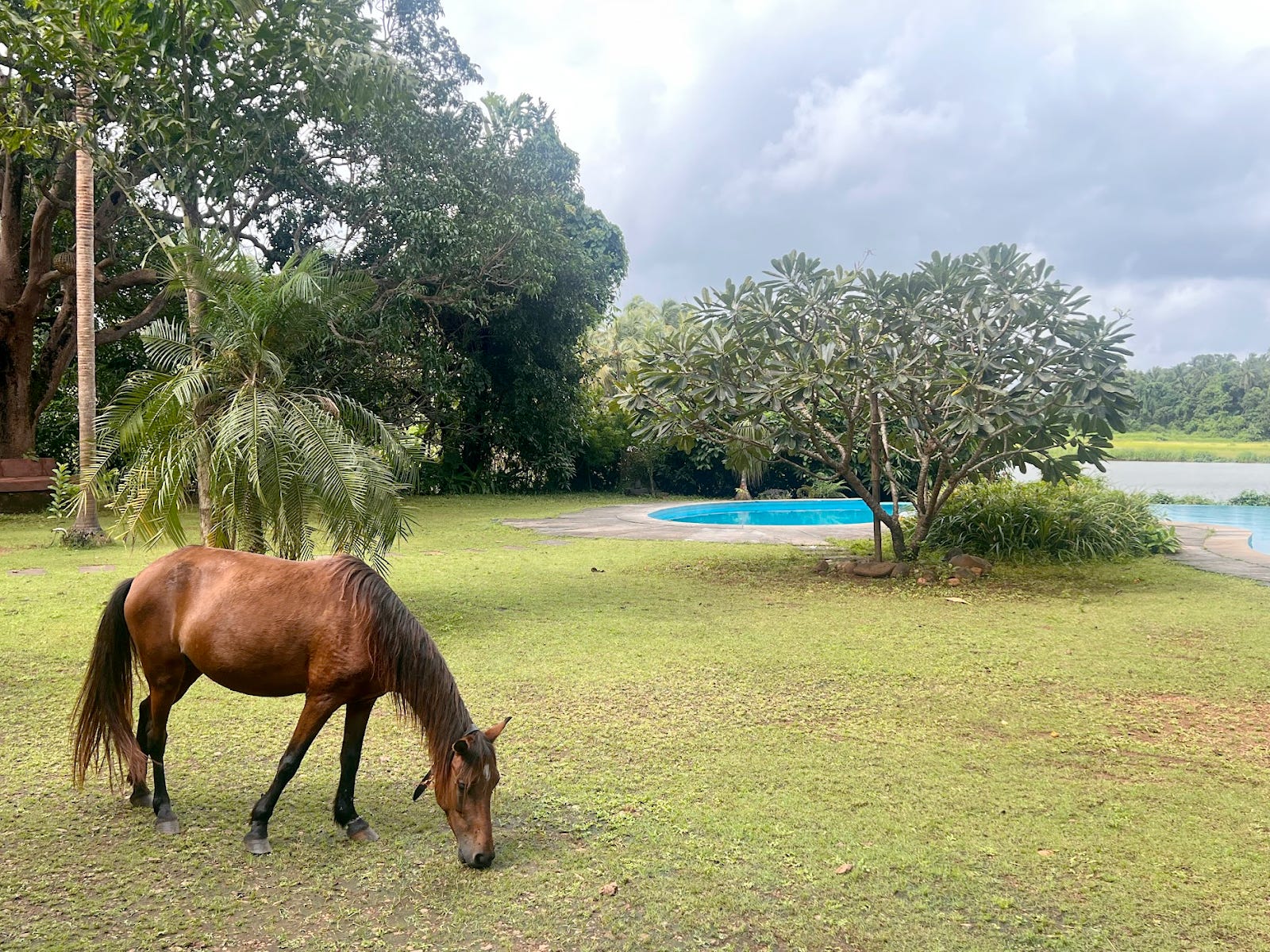
The impact of the writing retreat lingered into the days that followed. It was a lot to process immediately, so I was grateful to dive into a nature-themed reading retreat organized by Champaca Bookstore the following weekend. It was a relief to switch hats from being a retreat organizer to a participant. It was my turn to hit pause and bask in nature without having to think about the logistics or curation of the sessions. I spent the long weekend with a delightful group of people—very different from the writing retreat participants but with the same warmth and camaraderie. We went on bird walks, identified bird songs, hung out with Mantra the donkey and Scarlett the horse, made new friends at Olaulim Backyards, overate in every meal, drank too much rice beer, and read books we may not have picked on our own.
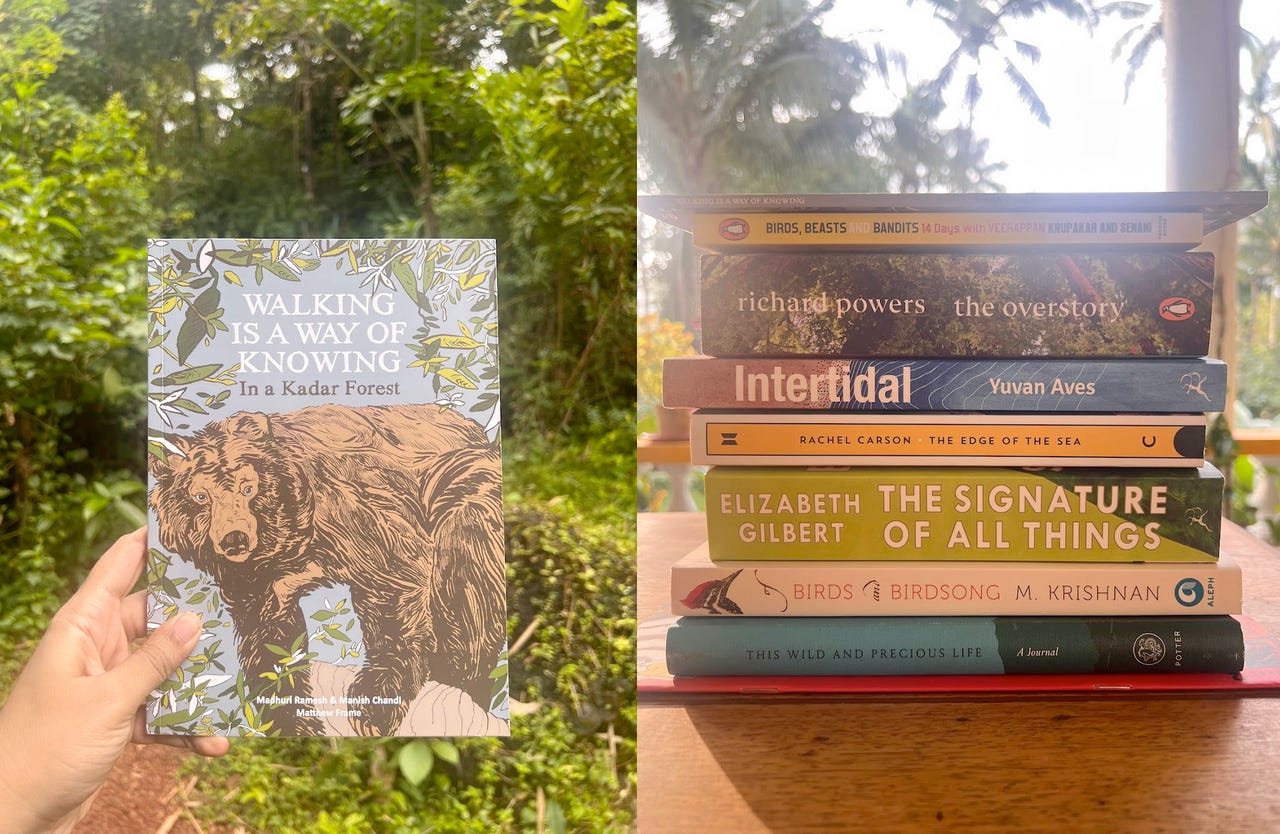
My first pick from the nature-themed book collection curated by Champaca was Walking is a Way of Knowing: In a Kadar Forest by Madhuri Ramesh and Manish Chandi. A theme close to my heart, it reiterated the importance of trusting indigenous peoples’ knowledge of the land—the trees, forests, and natural landscapes they have inhabited and lived in harmony with for generations. It was a short read, but full of wisdom that will stay with me for a long time.
“Most of us can’t read a word, but we use all our senses, our entire body, to hear the stories of the forest.”
We had the opportunity to meet one of the authors, Manish Chandi, who is based in Goa. While he credited the book to Madhuri, clarifying his role as the editor, he had a treasure trove of stories to share about the Kadars, as well as the indigenous peoples of the Andamans, with whom he has worked more closely. Even three hours of non-stop conversation didn’t scratch the surface of his experiences, and I’m already looking forward to reading his book, Speaking to an Elephant: And Other Tales from the Kadars.
I then dipped my feet into some of the other books: Intertidal by Yuvan Aves and The Overstory by Richard Powers being two of them. I haven’t read enough to write about them yet, but the underlying theme of all these books was the same: we need to listen more intently to our natural surroundings. There’s so much to see, hear, witness, and learn, and retreats like this help us pause and center the natural world in our lives.
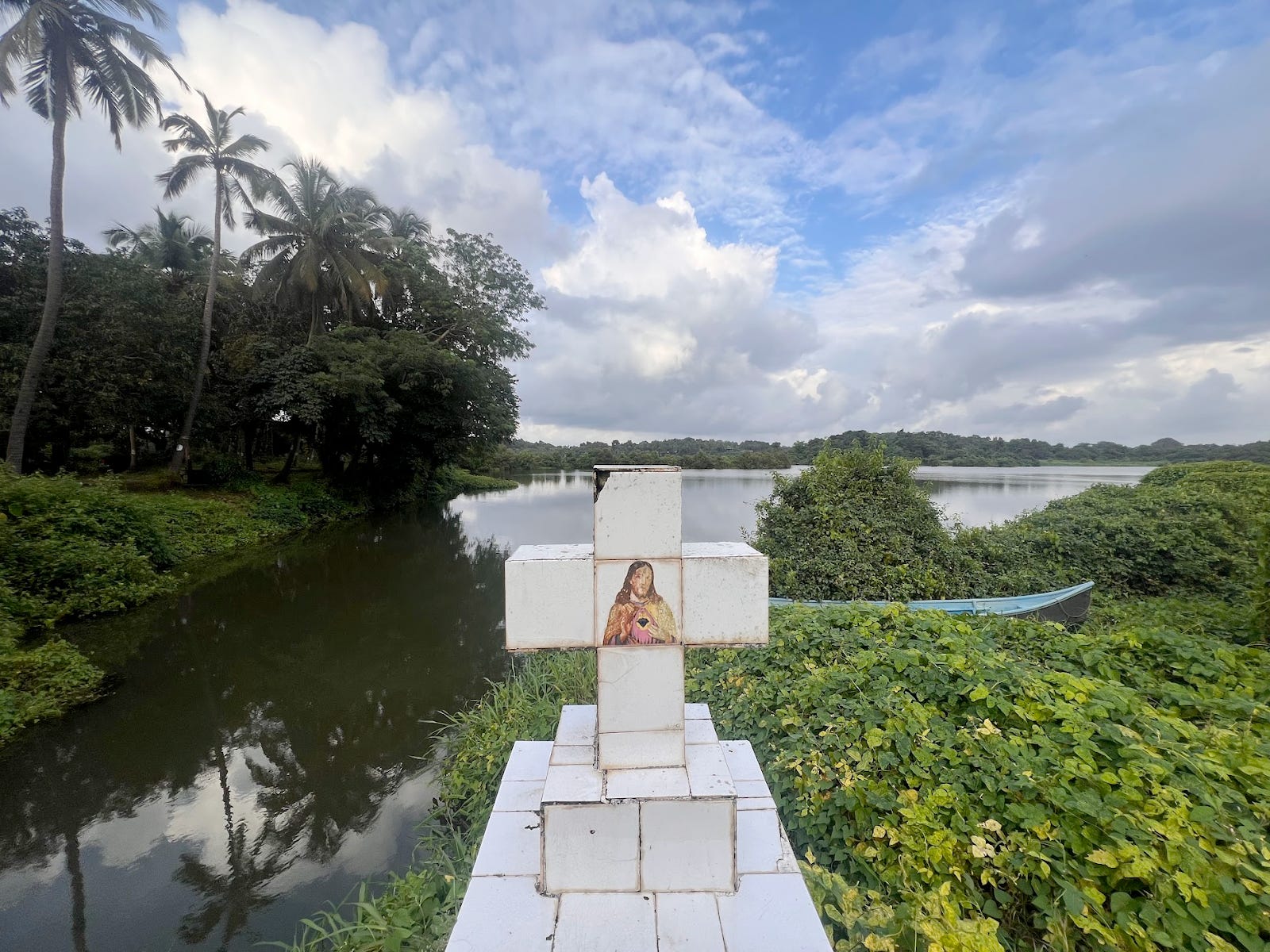
Three days passed by in a jiffy and I wish it had been a longer retreat—but I came away feeling nourished by nature, literature, and community.
“The dream of my life
Is to lie down by a slow river
And stare at the light in the trees –
To learn something by being nothing
A little while…”
– Mary Oliver
In a world grappling with the loneliness epidemic, it’s heartening to know that shared experiences, stories, and quiet moments can build meaningful connections. That it’s in these spaces—whether surrounded by the hum of nature, the warmth of friendship, or the quiet of a shared reading—that we truly find ourselves, others, and our shared humanity.
I really wish I could be part of such a retreat. :).
This was as gentle as a soft breeze. I was transported into a calmer world. Must do one of these nature retreats.